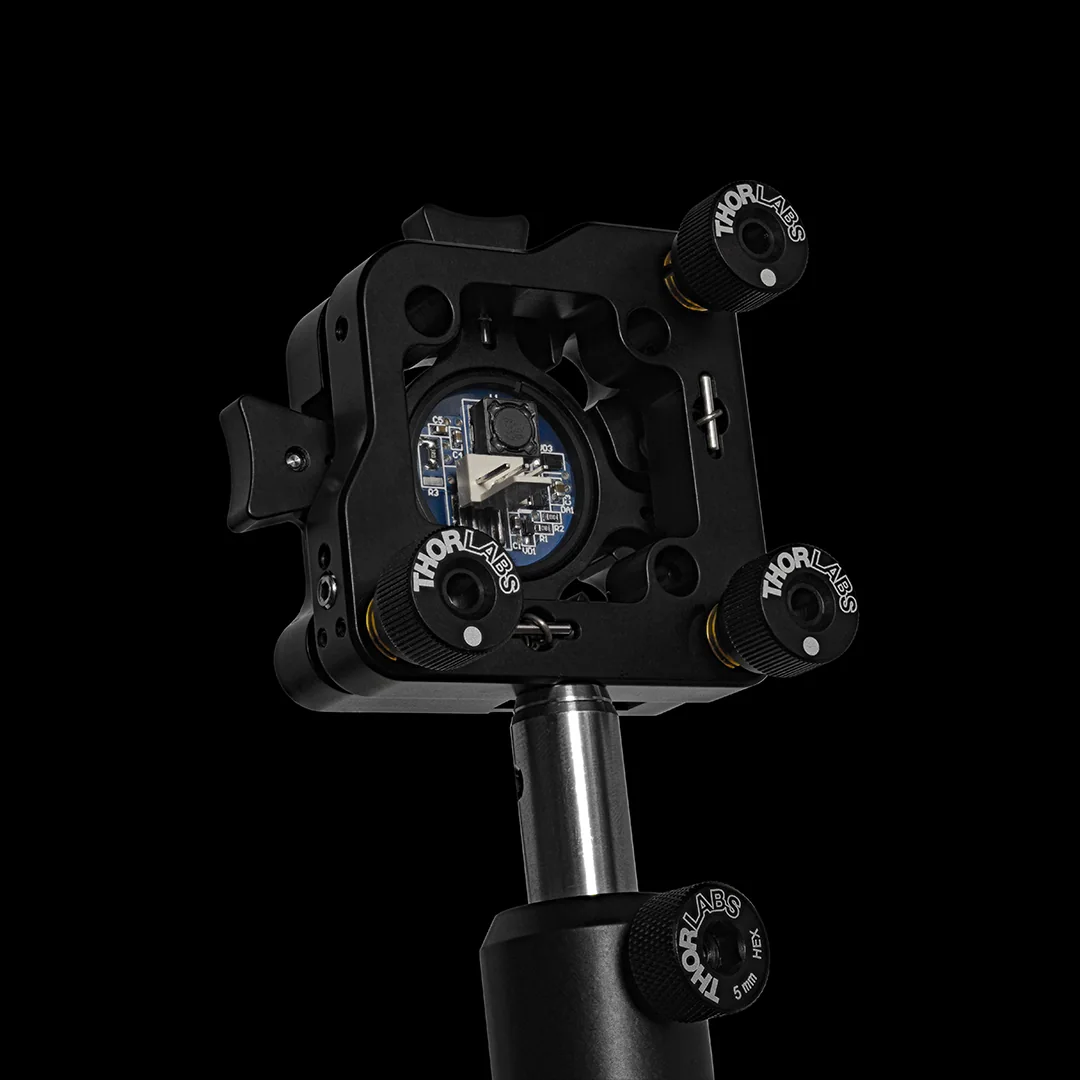
Optical prototype on a precision laboratory support
Proof of concept · engineering prototype · testing

Custom optical system prototyping

We build a proof-of-concept model or engineering prototype to test a technical solution in practice. A prototype helps measure key parameters, identify assembly constraints and determine what must change before making the product or a small batch.

You can start with a technical brief, calculations, a drawing, a 3D model, an existing unit or a description of the idea. Before work starts, we agree which engineering question the sample must answer.

Send enquiry
SERVICE / 02St. Petersburg
01When to contact us

When a prototype is needed

A prototype is built to answer a specific engineering question, rather than simply resemble the final product.

  • You need to verify a calculation or operating principle on a physical sample.
  • A critical parameter needs to be checked before developing the complete product.
  • You need to assess assembly, alignment, materials and the effects of mechanics on optics.
  • Several technical alternatives need to be compared.
  • The project needs to move towards an engineering prototype, a small batch or further R&D.
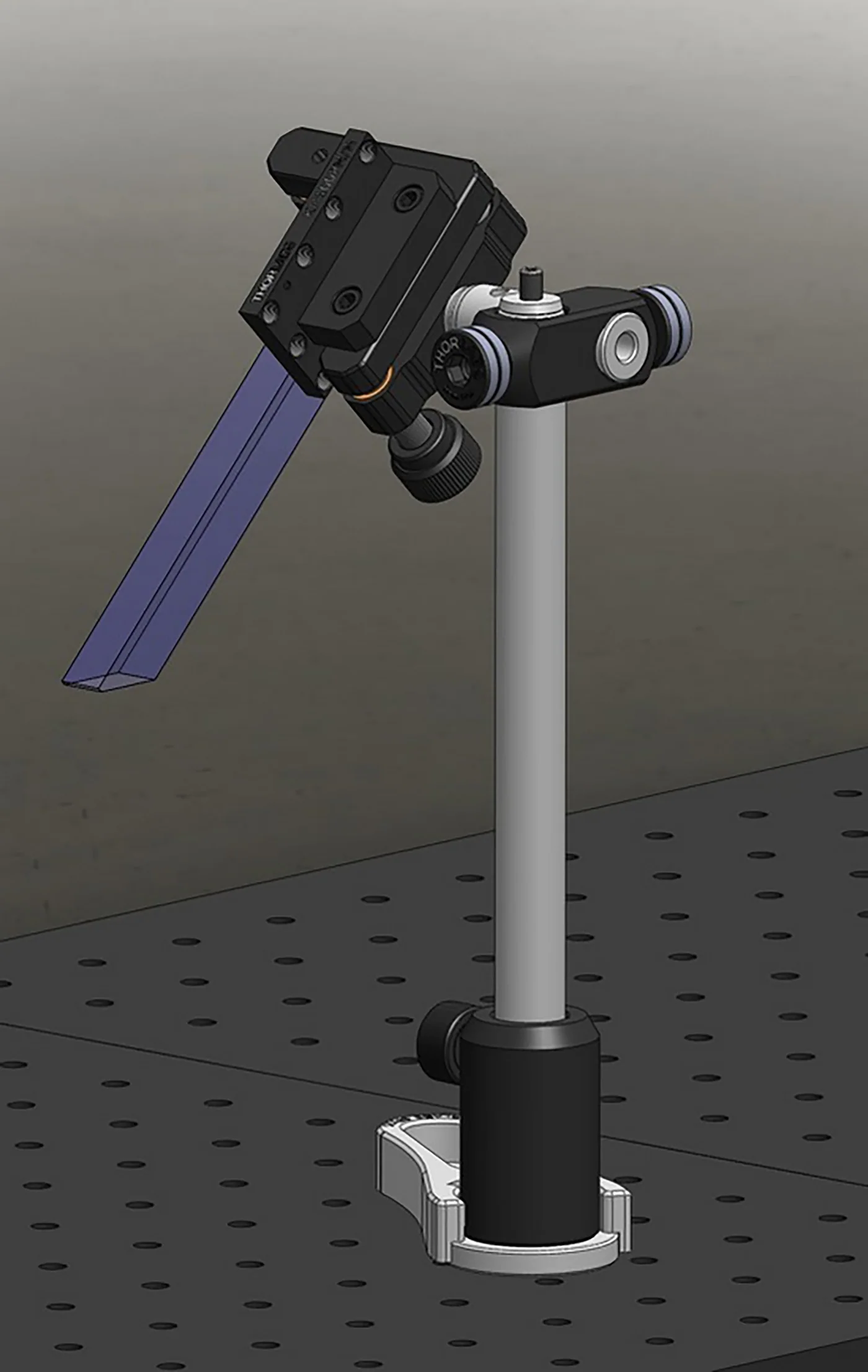
Three-dimensional model of an optical prototype on a laboratory support
Digital model

Prototype layout before manufacturing and laboratory assembly.

02Project inputs

What you can provide

Our team can work with a technical brief, optical design results, drawings, 3D models, design documentation, a component specification or an existing sample. At an early stage, a description with target parameters and test conditions is enough.

If information is missing, we define the prototype, verification criteria and questions that must be resolved before manufacturing.

03Process

The prototyping process

The sample and test programme are designed around a hypothesis agreed in advance.

  1. 01

    Define the objective

    We agree what the model or engineering prototype must demonstrate and how the result will be assessed.

  2. 02

    Prepare the design

    We define the prototype, select off-the-shelf and custom components, and plan the tooling, assembly sequence and verification programme.

  3. 03

    Manufacture and assemble

    We prepare the parts and assemble the optical or optomechanical unit. Contamination-sensitive operations can be performed in an ISO 6 cleanroom.

  4. 04

    Align and test

    We align the system, measure the agreed parameters and verify its operation under laboratory conditions.

  5. 05

    Document the findings

    We compare the results with the criteria, describe the remaining risks and propose the next iteration or a move to production.

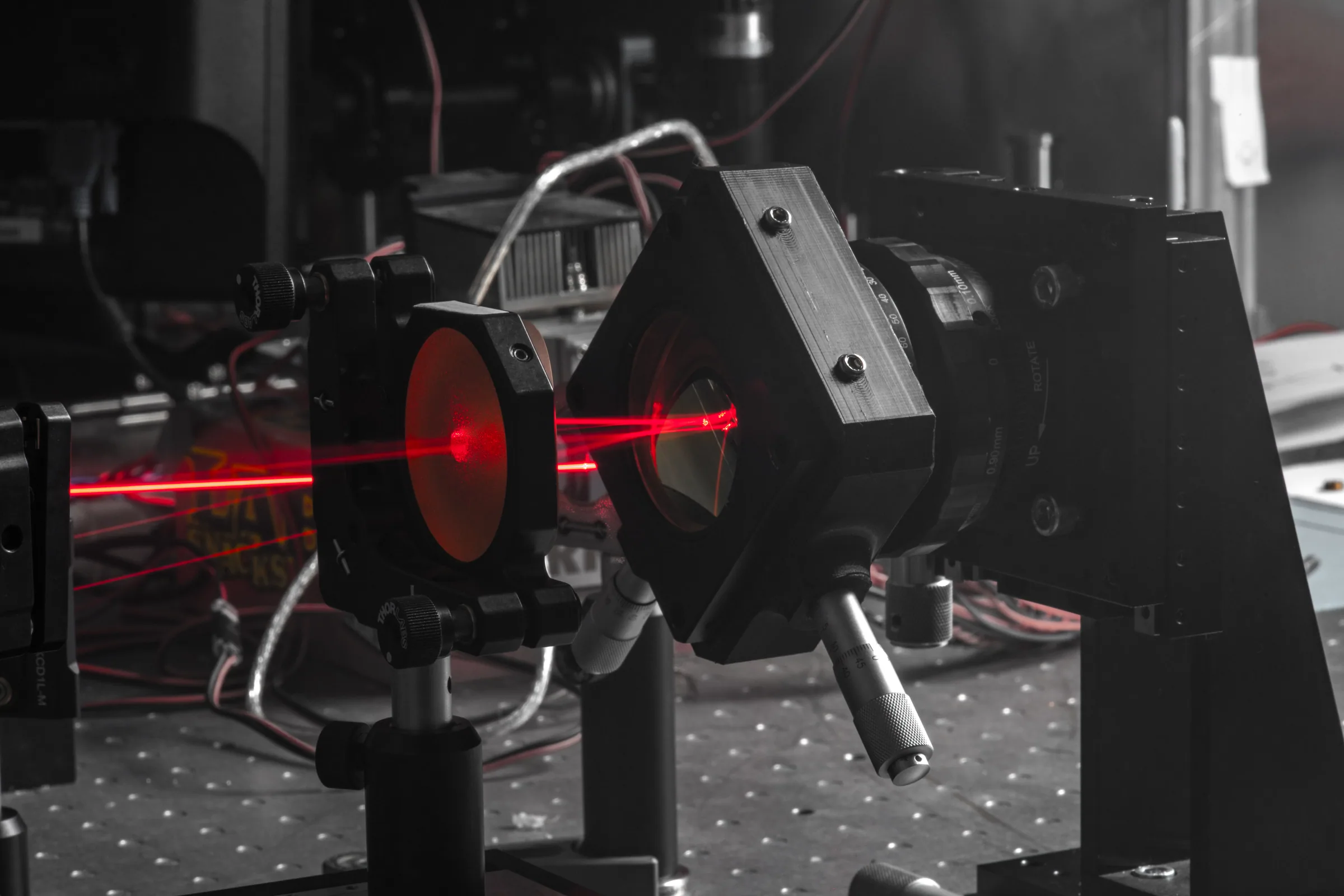
Alignment of an optical prototype in the laboratory
System alignment

We adjust the relative positions of the components and check the agreed parameters.

04Results

What you receive

The result records how the sample performs and the constraints for the next iteration.

  • A proof-of-concept model, prototype or engineering sample at the agreed level of readiness.
  • Measurement results and laboratory test findings.
  • An assessment of whether the key parameters can be achieved.
  • Identified constraints and recommendations for design changes.
  • Materials for the next iteration, a small batch or further R&D.
05 / A

A prototype answers a specific engineering question

A proof-of-concept model does not have to reproduce the materials, appearance or service life of the final product. Its scope depends on the hypothesis to be tested. This reduces unnecessary development while key parameters remain unverified.
05 / B

From prototype to production

After testing, our team can refine the design, tolerances, materials, assembly operations and inspection methods. These findings provide a basis for an engineering sample, a pilot batch or repeatable production.

05Facilities

Engineering facilities

Prototyping is supported by optical design, mechanical design, component manufacturing, an optical laboratory, alignment facilities and ISO 6 cleanrooms.

For additive prototyping, we use LCD photopolymer printing and FDM filament printing with PETG, PLA, SBS and other materials.

Our team can test the sample within the same engineering process used to design and assemble it.

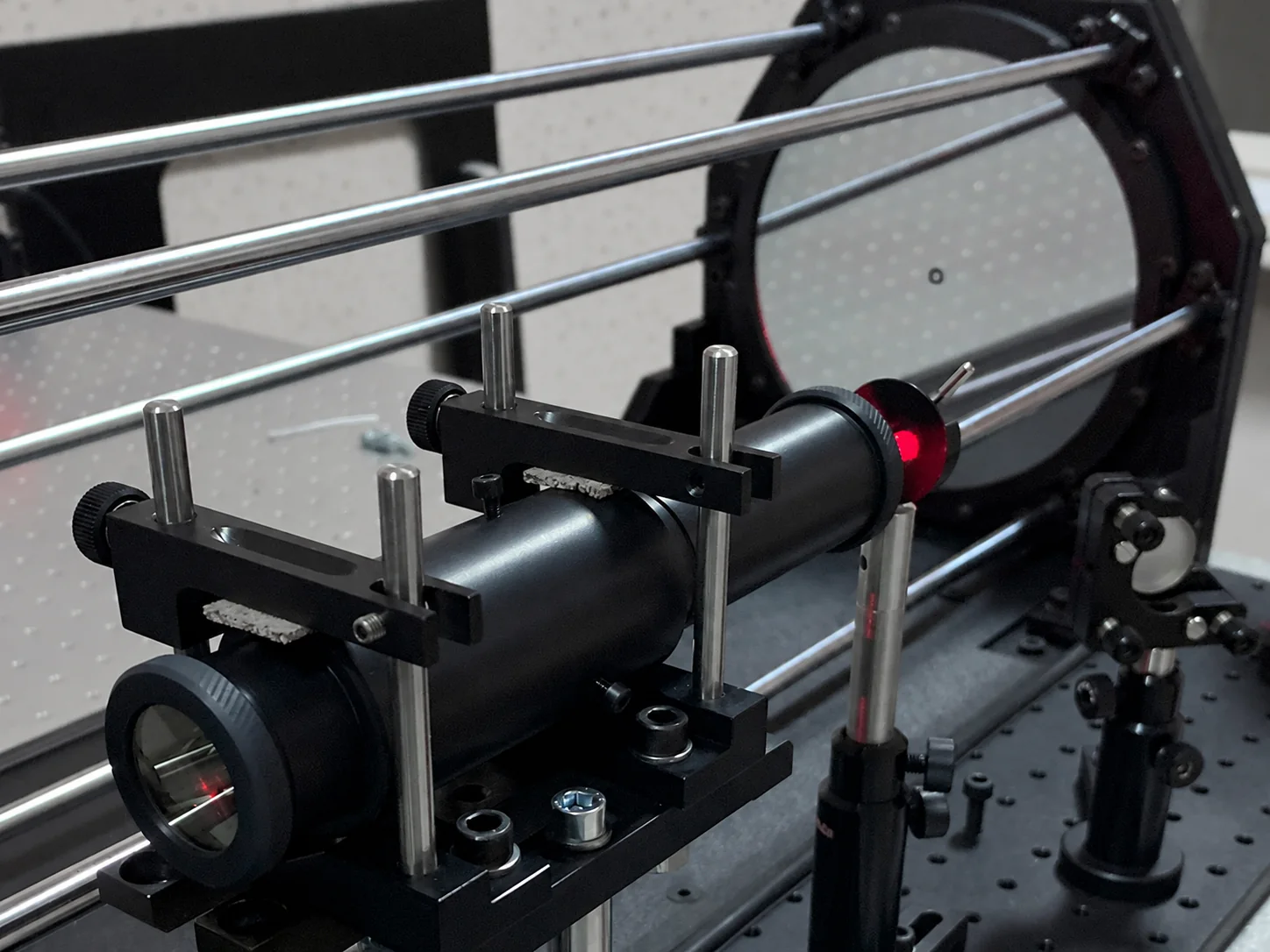
Preliminary assembly of an optical system on a laboratory table
Pre-assembly

Checking the layout and optical path on a laboratory table.

06Frequently asked questions

Before we start

Answers to common questions before an initial project assessment.

01How much does prototyping cost?

The cost depends on the purpose of the prototype, the readiness of the documentation, the number of parts to manufacture and the scope of assembly, alignment and testing. For an estimate, send the available materials and explain what needs to be verified.

02How long does it take to build a prototype?

The schedule depends on the readiness of the input data, component availability, manufacturing scope and test programme. After reviewing the task, our team will propose stages and a schedule.

03How does a proof-of-concept model differ from an engineering prototype?

A proof-of-concept model may test a single principle or parameter without reproducing the entire final product. An engineering prototype is generally closer to the intended product in its design, materials and test conditions.

04Can we start without a complete set of documentation?

Yes. At an early stage, a task description and verification criteria are enough. Our team will identify the calculations, drawings and components needed for the first sample.

05Can a prototype be assembled in an ISO 6 cleanroom?

Yes, if cleanliness affects system performance or reliability. Our team will determine whether cleanroom assembly is needed after reviewing the design and operating conditions.

06Do you work under an NDA?

Yes. We can agree how to exchange confidential materials and sign an NDA before you share them. Client and design information is not published without approval.

07Can we move from a prototype to a small batch?

Yes. First, the design, tolerances, assembly operations and inspection parameters need to be defined. We can then plan an engineering prototype, pilot batch or small batch.

08Start a project

Discuss a prototype

Send a technical brief, calculations, a drawing, a 3D model or a description of the idea. State which parameter needs verification and what should happen to the project after testing.

An outline brief or a short description is enough to start
We accept confidential materials after agreeing an NDA