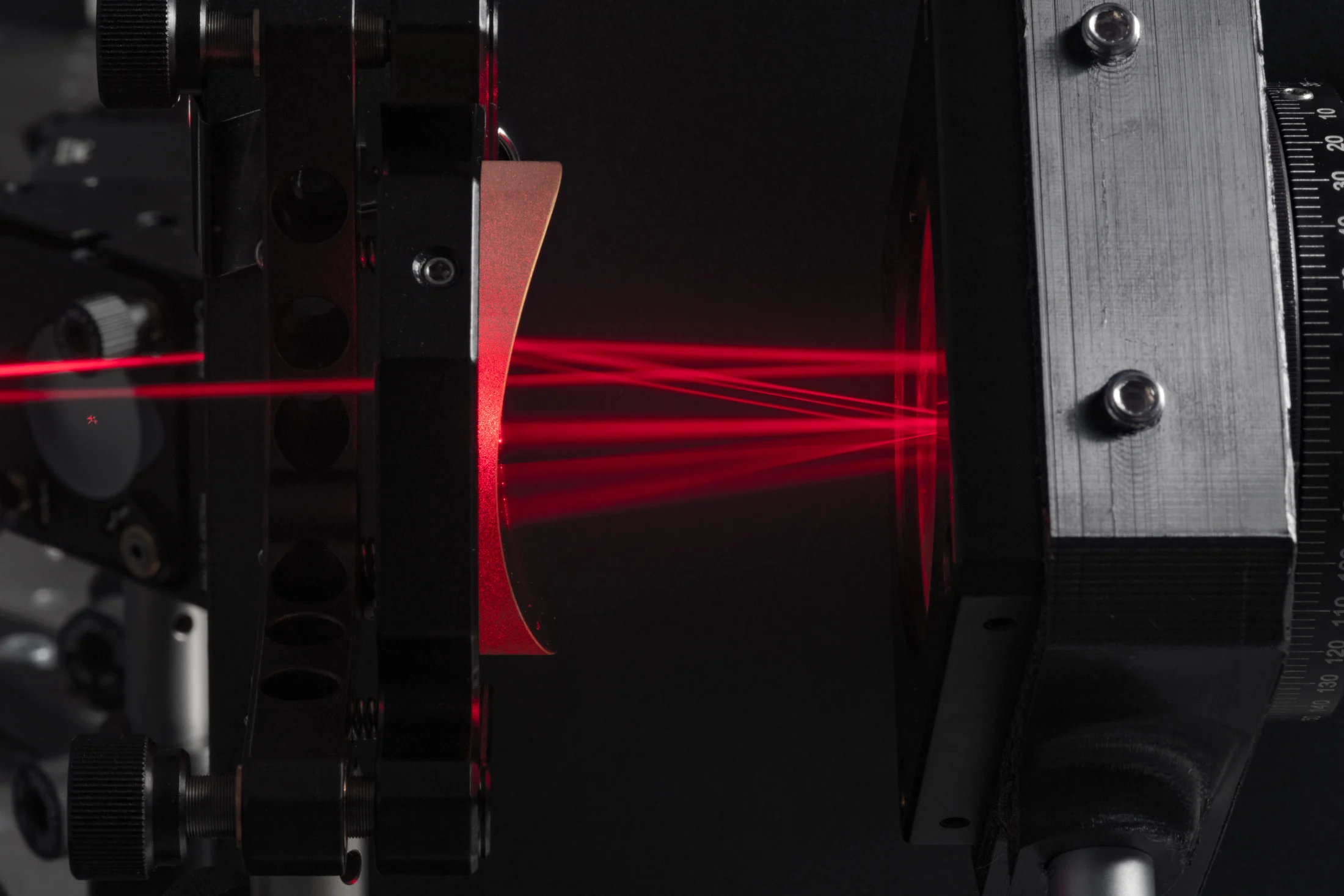
Red laser beams passing through optical elements in an experimental setup
Applied research and engineering development

Optics and photonics R&D

We will evaluate your technical concept, compare possible solutions and investigate the limits of an optical system. Calculations and experiments will provide a basis for instrument development or further research.

You can commission a research study or an R&D project that includes engineering development. We will agree the scope and deliverable requirements in a technical specification.

Discuss an R&D project
SERVICE / 04St. Petersburg
01Scope of work

Research tasks we can undertake

We consider research and development projects across optics and photonics, excluding lighting systems. For industrial applications, we bring optical design together with mechanical design, signal processing and operating conditions.

Our experience includes Raman systems and research for medical applications, including DNA sequencing and related optical tasks. Details of medical projects are protected by confidentiality agreements.

Engineering questionPossible verification methodBasis for a decision
Are the target optical parameters achievable?Model alternative layouts and test critical parameters on an experimental setup.Select an approach and identify its limits before product development.
How will operating conditions affect the system?Compare optical and thermal models with test data.Refine the materials, layout and mechanical design.
What prevents a stable measurement signal?Investigate the optical path, stray light, alignment and image processing.Identify the changes needed in the optics, mechanics or algorithm.

These are examples of research questions. We select verification methods after reviewing the project inputs.

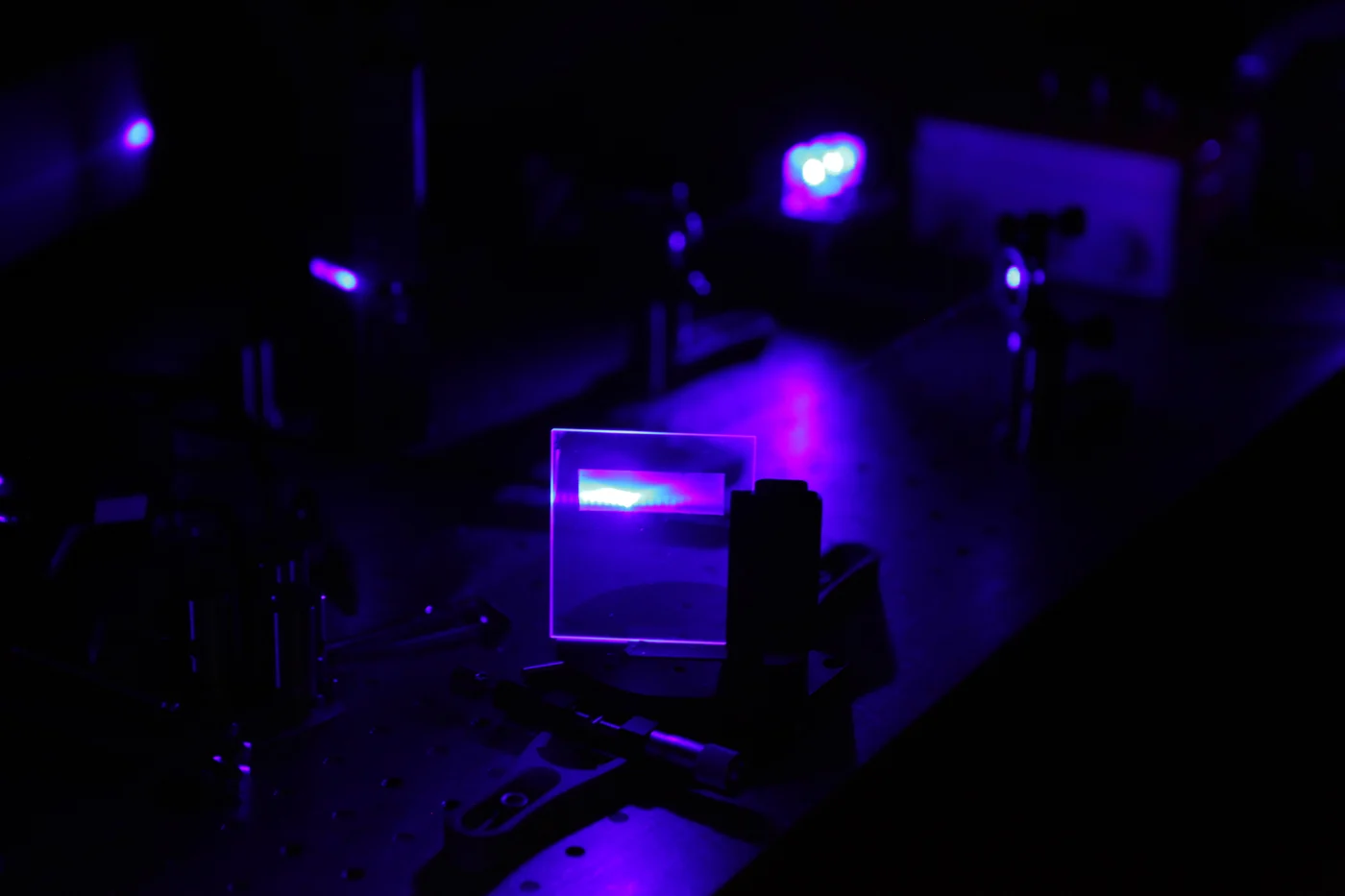
A diffraction experiment on an optical table with a laser source
Diffraction experiment

An experimental setup for investigating diffraction.

02Before work begins

Start with a technical specification

A research or R&D project requires a technical specification. We will agree the purpose, target parameters, constraints, stages and deliverables. If you do not have a specification yet, we can help prepare it.

For an initial discussion, send a task description, an existing layout, drawings or previous measurement results. Explain what has already been established and what still needs to be tested.

03Research plan

How we organise a research study

We plan research around the sequence in GOST R 15.101-2021, section 4.4, a Russian national standard. Project stages, reporting substages and acceptance arrangements are agreed in the specification and contract.

  1. 01

    Select the research direction

    Review the problem and existing solutions. Compare approaches and select a direction.

  2. 02

    Theoretical and experimental research

    Build models, perform calculations and experiments. Make an experimental setup where needed.

  3. 03

    Evaluate and consolidate the results

    Compare calculations with measurements. Prepare the research documentation and recommendations.

  4. 04

    Submit the work for acceptance

    Present the results to the customer for review and acceptance against agreed requirements.

The standard covers research work. Engineering development, sample manufacture and testing are scoped separately. Informative Annex A provides further detail, including modelling and experiments. GOST R 15.101-2021 in the Rosstandart catalogue (Russian).

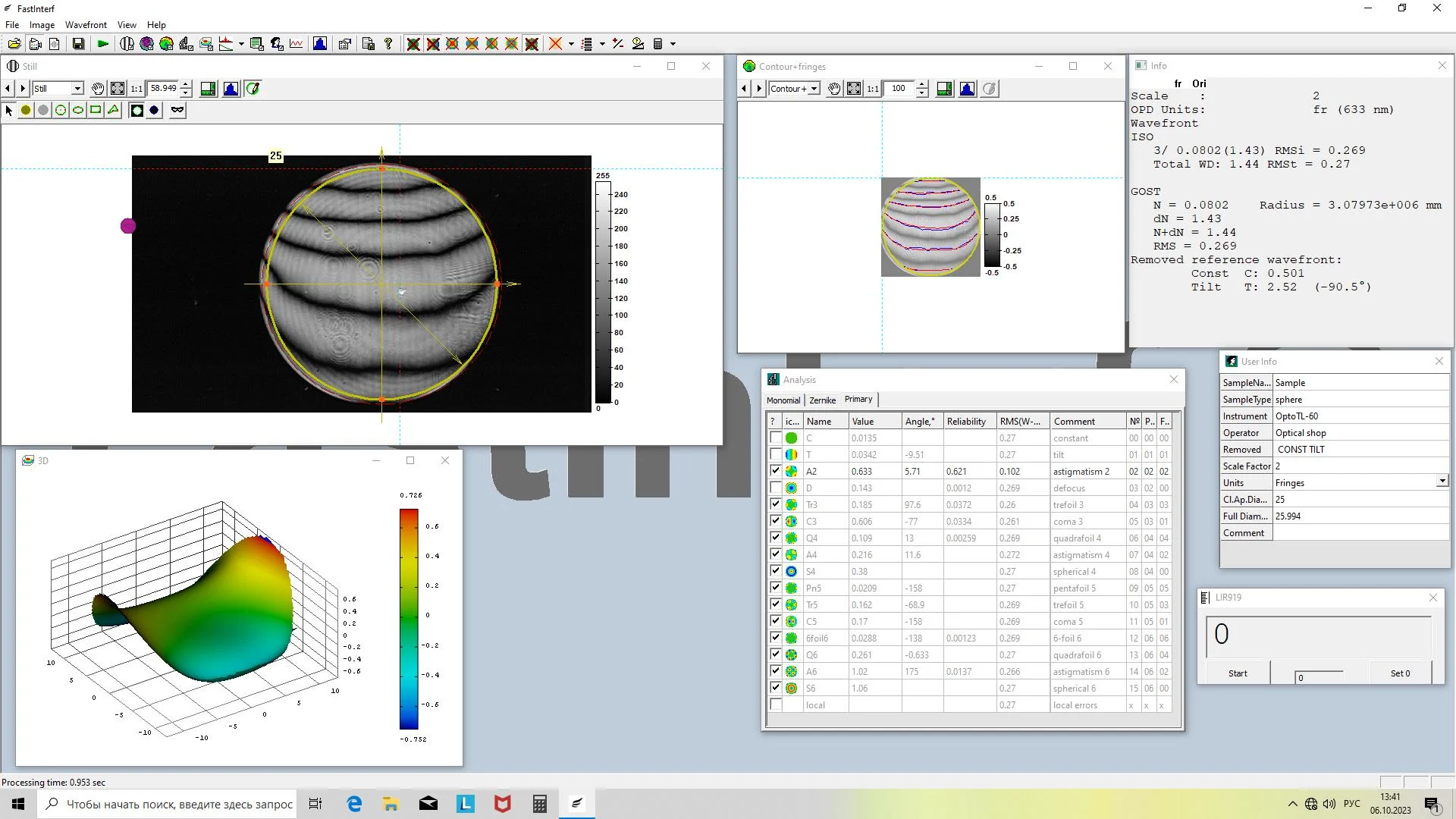
A lens interferogram and measurement analysis in FastInterf
Interferometric inspection

A lens interferogram and its analysis. Values shown relate to this measurement.

04Agreed deliverables

What the project will deliver

Deliverables depend on the project objective and are agreed before work begins. We will include a physical sample where it is needed for verification or further development.

Research work

  • Calculation models and justification of the selected approach.
  • Experimental and measurement results with their test conditions.
  • A report covering findings, limitations and recommendations for further work.

Engineering development

  • Design documentation within the agreed scope.
  • An experimental setup or prototype, including assembly and alignment.
  • Test results and design refinements based on verification.

If testing shows that the initial targets are not achievable, we will document the findings and limitations. These will support a discussion of the requirements and the next direction of work.

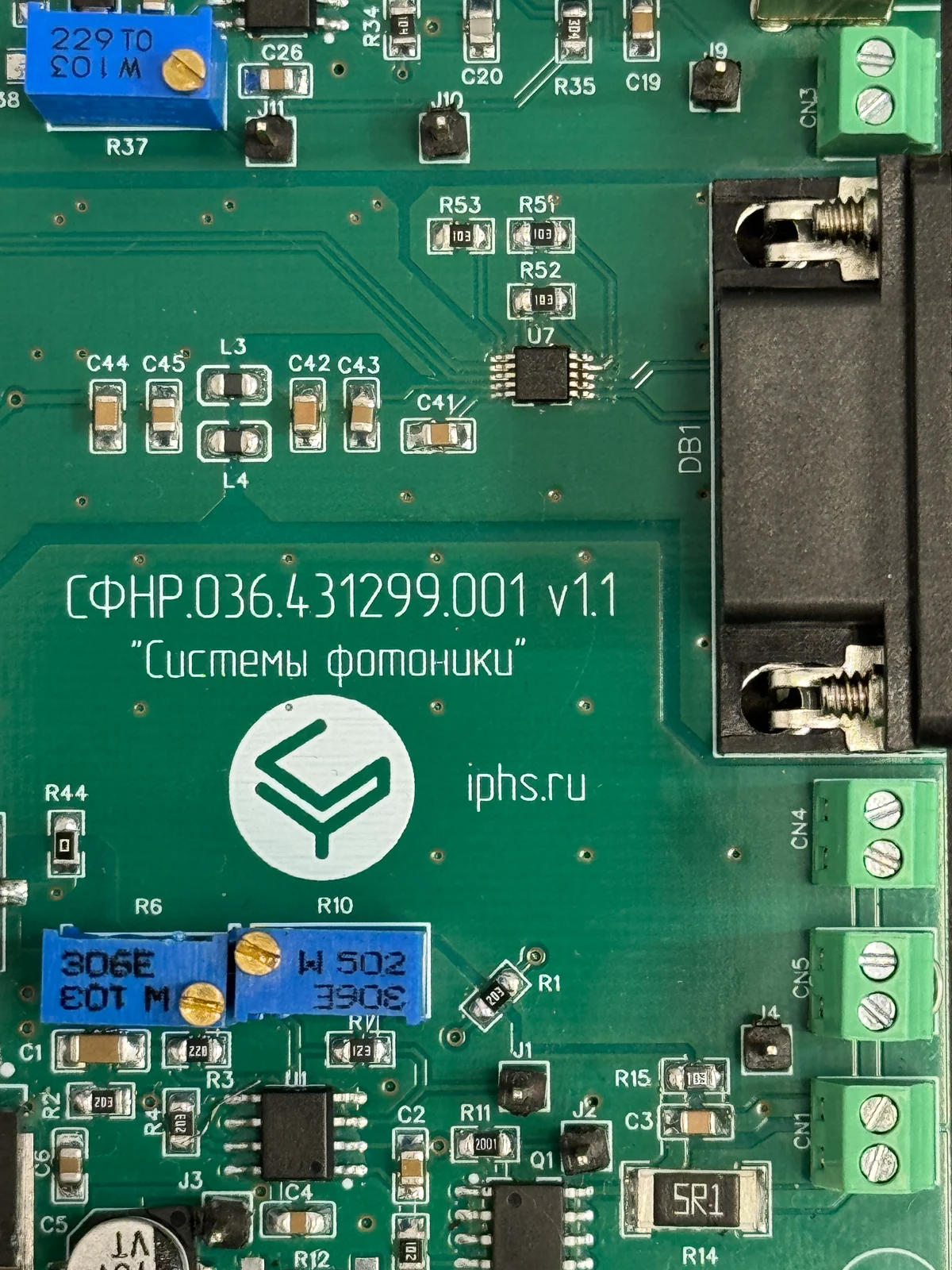
An instrument circuit board bearing the Photonics Systems name
Engineering development

An instrument circuit board during engineering development.

05Industrial experience

How research informed the design

A metal borescope housing laid on engineering drawings

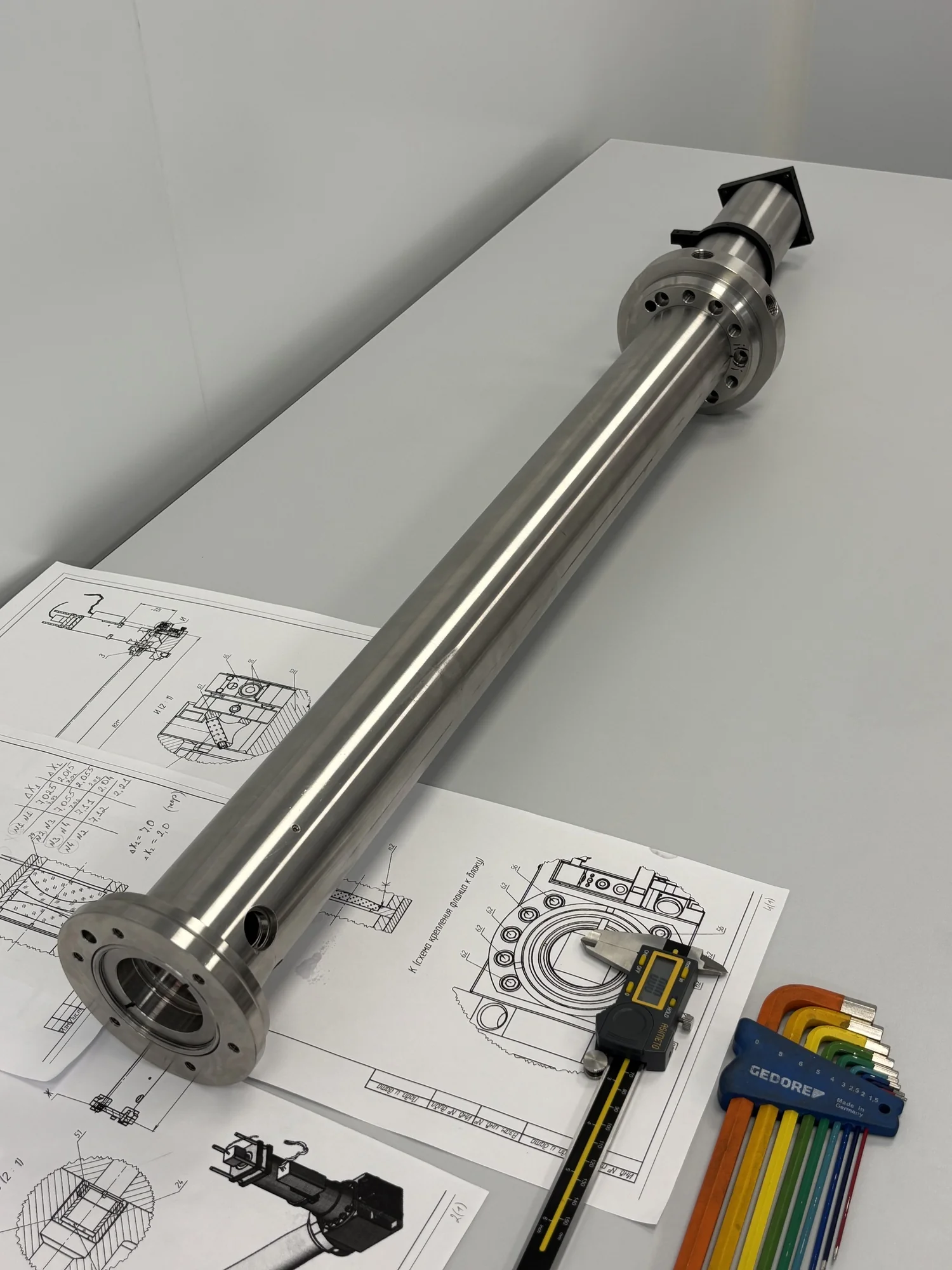
Borescope for a nuclear power plant

The team designed the optics and assembled a bench prototype. Cooling-system thermal tests carried out by the customer revealed thermal shock in the front window. We used these data for COMSOL modelling and revisions to the optics and mechanics. The prototype passed laboratory tests.

Explore the project
An optoelectronic roll monitoring instrument installed in a production facility

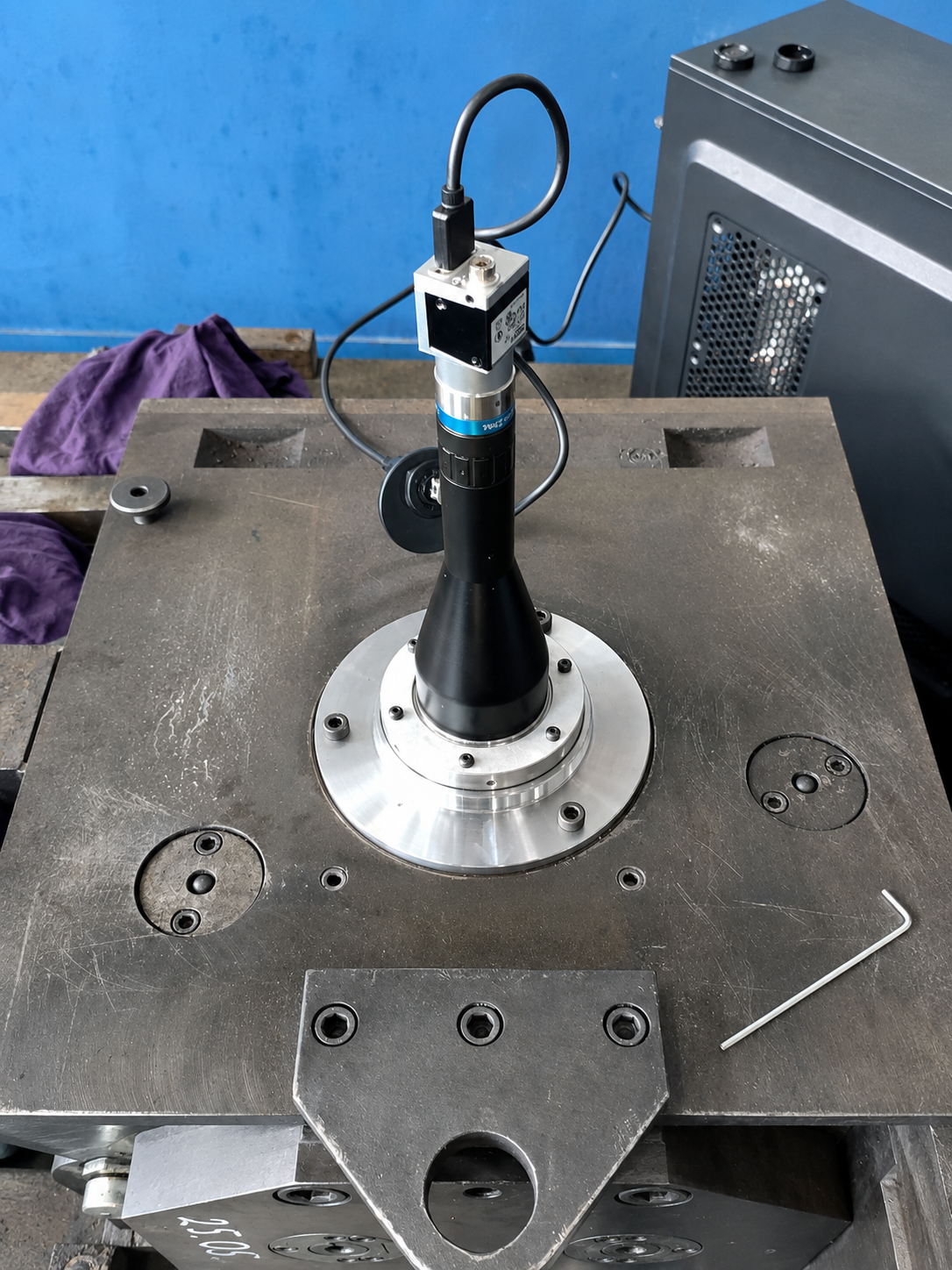
Roll position monitoring

The project combined telecentric optics, adjustable mechanics and image processing. Excessive backlight brightness shifted the apparent roll boundary, so brightness adjustment became part of the measurement procedure. Calibration linked camera position to the coordinate system, while the algorithm evaluated runout across a sequence of frames.

Explore the project

Our in-house optical laboratory and optomechanical manufacturing facilities support experimental assembly and verification alongside the design work.

Optical laboratory · Optomechanical manufacturing

06Frequently asked questions

Before we start

Answers to common questions before an initial project assessment.

01Can we contact you without a technical specification?

Yes. A task description and available materials are enough for an initial discussion. Before work begins, we will prepare and agree a technical specification; our team can help draft it.

02Can we commission a research study or divide the work into stages?

Yes. You can commission a standalone study or an R&D project that includes engineering development. Work can be divided into stages with separate deliverables and acceptance.

03What determines R&D cost and timescale?

The research scope, the number of alternatives to evaluate, the experiments required and the deliverables. If a sample is needed, we also account for its design, components and manufacture. Cost and schedule are agreed after reviewing the task.

04How are confidential materials and intellectual property handled?

An NDA can be arranged before confidential materials are shared. Confidentiality terms, intellectual property rights and the use of results are defined in the contract.

05Can the project continue into product manufacture?

Yes. Research and test results can support further design, prototyping or production. The scope of the next stage depends on the maturity of the solution and its documentation.

08Start a project

Discuss your research task

Describe the purpose, target parameters and the questions you need to investigate. Let us know if a technical specification is available. Our team will review the task and propose the next step.

An outline brief or a short description is enough to start
We accept confidential materials after agreeing an NDA